| ABOUT US | HOW WE RAISE OUR BEEF | NUTRITIONAL INFO | BEEF ORDERS | RECIPES |
|
|
|||||
|
||||||
|
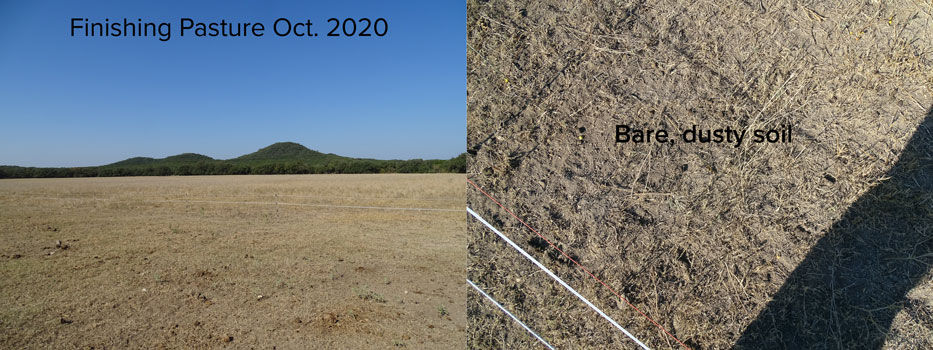
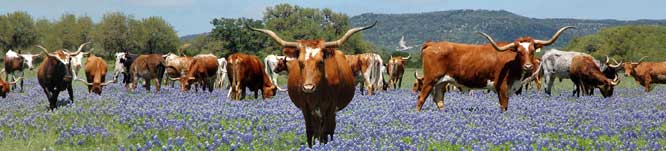
All of the beef that will be available for delivery in 2026 is already reserved. We are hopeful our next group of steers will begin reaching processing weight in the spring of 2027. If you would like to reserve an order for spring/summer delivery in 2027, please send an email to Beef Orders. Please include your best contact telephone number, your town and the quantity you wish to reserve. We offer bulk cow-share orders only. We do not sell individual portions. It takes two years after a calf is weaned for him to reach processing weight. This year's steers were born in the fall of 2023 and spring of 2024. Grassfed beef is slow food, not a widget we can pick up at the market and flip for profit. Climate change slapped us in the face with the reality that our food production system is forever changed. Fifteen years ago, we could finish 25-30 steers per year on this ranch while also maintaining a breeding herd of 75-80 cows. Longer dry and hot spells in the summer and more severe freezes in the winter compounded by a reduction in rainfall during critical growing seasons has forced us to scale back numbers of animals. Where we used to concentrate steers for high animal impact that improved soil quality, we now must ration the time and numbers grazed so that same soil is not damaged. Longer recovery times are required between grazing, and we cannot invent more land. The variable that we can control is numbers. These days, we finish 7-10 steers per year and our breeding herd is half the number we used to run. Great Tasting Beef Texas Longhorn beef is known for its intense beef flavor inherent in the muscle. Some breeds tout the intermuscular marbling that gives their product flavor. Texas Longhorn beef is typically leaner, grading high select or low choice in its fat content. Its flavor comes from the combination of heritage genetics and complexity of forages consumed over the course of the lifetime of the animal. Texas Longhorn cattle mature slowly. Growth cannot be rushed by forcing feedlot grain diets and achieve the same quality product that nature creates. Bandera Grassland beef is harvested from Grassfed steers born and raised here on our Hill Country ranch and allowed to reach maturity over two years of age. Testimonial
Tenderness is a characteristic that comes from the combination of genetics and environment. Humane, low-stress handling and quality forage diets greatly influence the product. Our cattle are not commodity objects of financial gain. Our cattle are sentient beings that experience joy, sadness, affection, fear, pain, and pleasure. Their lives have meaning for which we are appreciative. The love we hold for these animals comes through in the flavor of their product. The nutritional profile may be your reason for trying Texas Longhorn beef, but it is the flavor that will bring you back. Our endangered conservation genetics exist because there is a market for their products. "You have to eat 'em to save 'em." Because these boys make the ultimate sacrifice for their herd, the breeding population endures. Thank you for being a part of the preservation of the original Texas Longhorn.
 Beef Ordering Info:
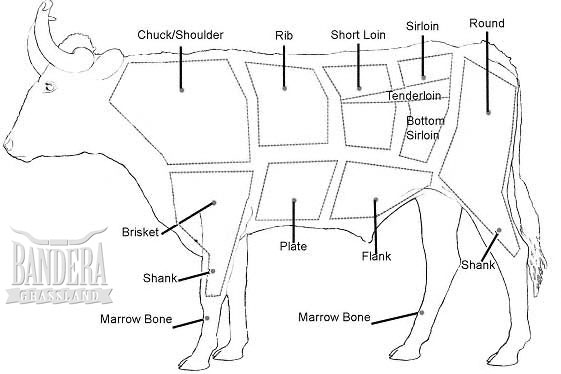
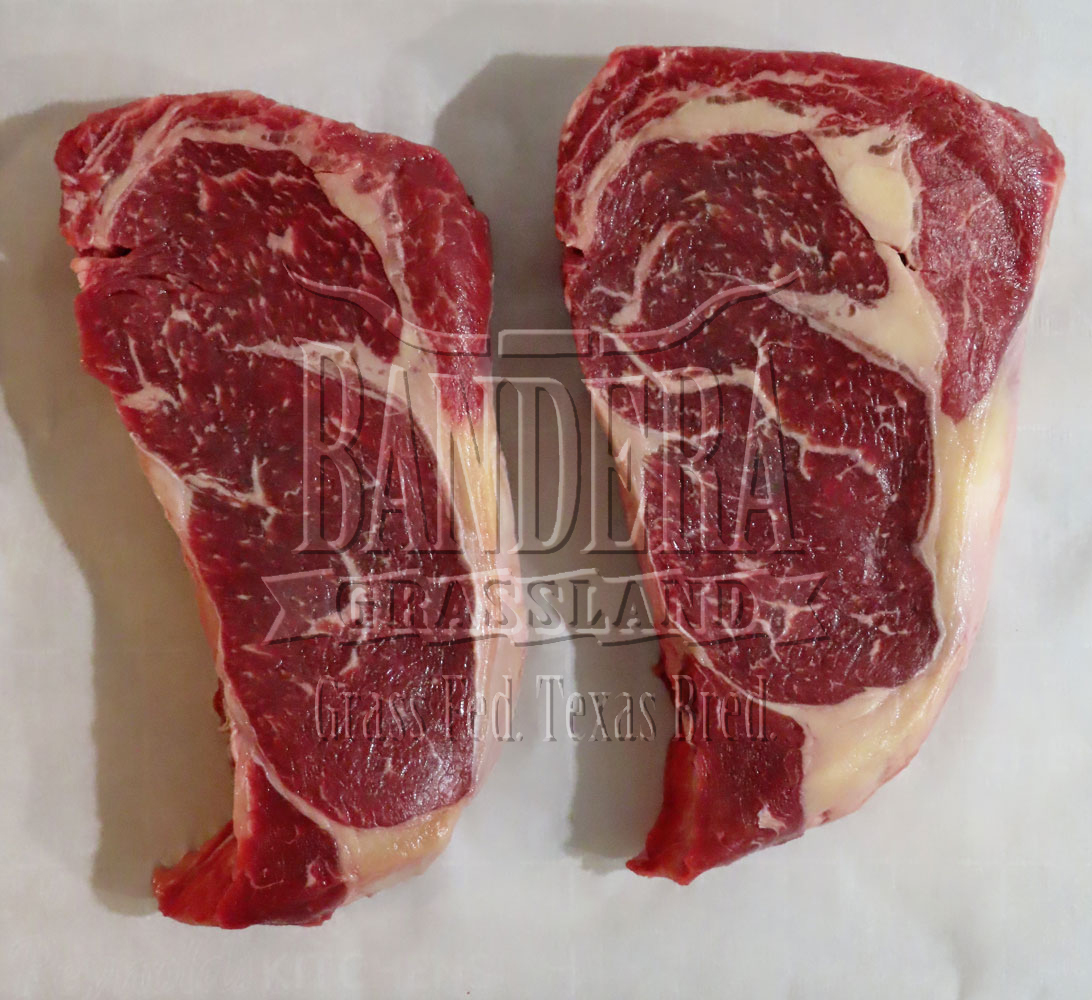
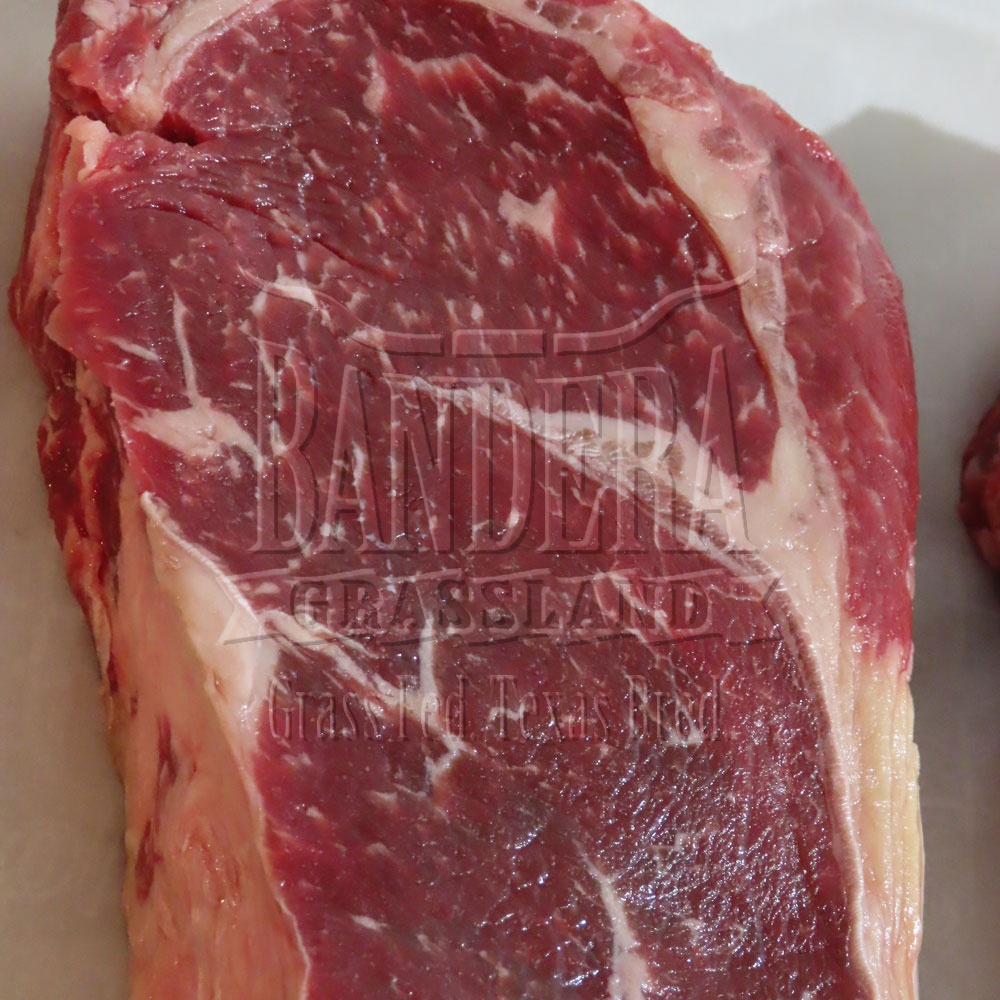
Grass finishing is dependent on rainfall and forage growing seasons. We supplement our heavy steers with alfalfa hay during drought and dormant seasons to assure they receive adequate nutrition. To reserve an order or be added to our email mailing list, please send an email to Debbie Davis. Please include your best contact telephone number and your city/town for meat delivery. Bandera Grassland beef is cow share orders intended for end user only. The packages will be stamped 'not for sale'. This beef is not intended for restaurant or retail resale. Bandera Grassland Grassfed longhorn beef is available for purchase in whole carcasses, sides, quarters and eighth carcasses. Whole carcass and sides are priced is $10.75 per pound. Side weights vary from 170 to 204 pounds, so the average price is $2,010.25 per side. Quarter and eighth carcasses consisting of equal cuts from the fore and hindquarters are priced at $11.00 per pound. Quarters average 93 pounds each, so the quarter price will be around $1,023.00, and eighths average $511.50. Organ meats (liver, heart, kidney) are sold separately at $4.50 per lb., and tongue $5.50 per pound. There is a 50¢ per pound upcharge for ground beef patties. The cost break for sides and whole carcasses comes from ease of boxing at the processor. It takes approximately one hour per steer to separate into quarters or eighth orders. We are not able to offer side prices to customers that request the order be split into separate boxes for more than one buyer splitting the order. We serve the Austin and San Antonio areas and points in-between. We no longer offer to ship product outside of our delivery area. The quarters and eighths we sell contain mixed cuts from both the forequarter and hindquarter. The break down of a carcass is approximately 50% trim that is ground for hamburger, 15% premium steaks and 35% other cuts. A quarter will contain approximately:
Sides contain approximately double the quantity of the same cuts except customers may request the brisket and tenderloin be left whole, and ox tail is included. Eighths contain approximately half the quantity of the same cuts as the quarter.

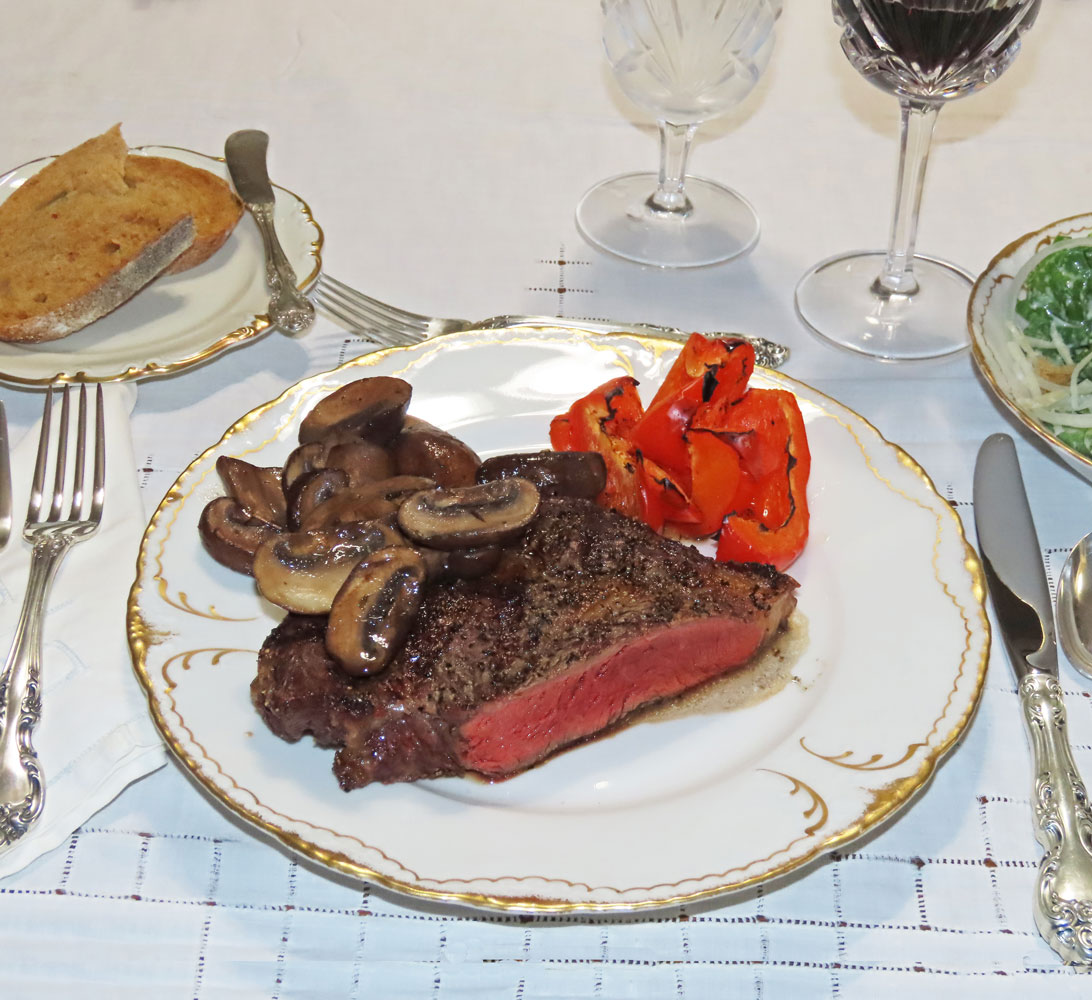
Cooking Tips: We often tell people to cook Grassfed meats over a low flame to avoid loss of moisture because Grassfed meats are lean and lack the fat content that gives steaks from grain-fed meats the appearance of juiciness. To reserve the actual moisture in your meats, sear briefly over high flame to seal in the juices, then reduce the heat for cooking. Shannon Hayes, author of The Grassfed Gourmet cookbook, says it best here. Orders for Sides of Beef include cuts from all sections listed above. How much freezer space is needed? One cubic foot of freezer space will hold approximately 45 pounds of beef. One whole beef will fill a full-size 10 cu. ft. freezer. We no longer keep unsold quantities of beef in stock for sale. All of our custom bulk orders are pre-sold as cow shares. We take animals to process almost every month during the year, so please email the quantity you want to reserve and your preference for the month you would like it. Record-keeping for labeled product became so burdensome for our meat processor we opted out of offering labeled portions for sale. The only difference our customers will see is the packages of beef will be stamped "Not for Sale." You will be purchasing a portion of the live animal versus purchasing labeled product. Price is calculated on product weight. Our plant Inspector will still assure every carcass is healthy and free from disease, the meat just won't carry a retail label. We will have to wait to take animals to the processor until the entire carcass is reserved in cow shares, so please be patient.Texas Drought News: Our focus is to preserve for the benefit of future generations, heritage Texas Longhorn cattle declared a critically endangered breed by the Livestock Conservancy. Bandera Grassland is the result of our desire to create a viable market for this breed so ranchers will continue to raise them. We reserve our heifer calves to provide replacement breeding animals for other ranchers. Our goal is to make available the right kind of cattle for ranchers building herds. There are numerous horned cattle on the market that we refer to as "wronghorns" because they are introgressed with Bos Indicus genetics. The Cattlemen’s Texas Longhorn Registry reports there are fewer than 3000 historic phenotype Texas Longhorn cattle in existence. These are animals whose genotypes reflect descent only from Iberian stock brought to the New World by Spanish explorers in the 1500's with no recent introgression from other breeds. These are the kind of cattle we raise. Unlike many other beef breeds they are endangered and not available like a widget from your local supercenter livestock auction. |
|||||||||
| [ Home ] |  P.O. Box 122, Tarpley, Texas 78883 - (830) 562-3650 |